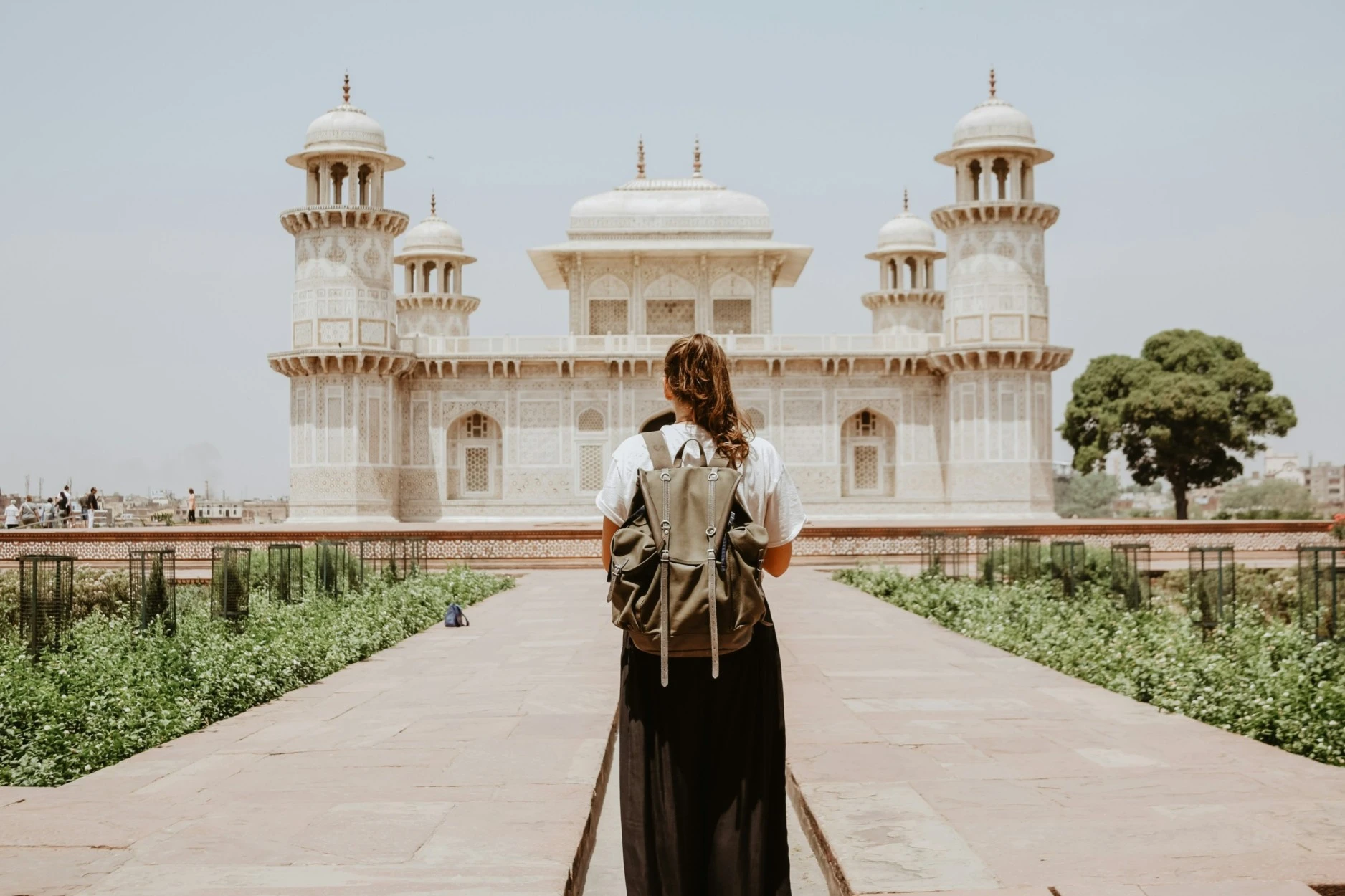
The Question Everyone Asks, Answered Honestly
"Is India safe for a woman travelling alone?" is usually asked the way you'd ask about a storm — as if the answer is a single yes or no covering the entire country at once. It isn't. India is not uniformly unsafe, as often portrayed. Millions of women — Indian and international — travel solo across India every year without incident. Safety here depends far more on where you go, how you move, and what time you're doing it than on the country as a whole.
Crimes do happen, but crimes against tourists aren't very common in India — most of what dominates international headlines happens in entirely different circumstances than a tourist walking through Rishikesh or Udaipur with a daypack. That doesn't mean nothing to worry about; it means the worry should be specific, not vague.
This isn't a cheerleading post telling you everything will be fine, and it isn't a fear-mongering one either. It's the version of this conversation a well-travelled friend would actually have with you.
What Actually Affects Your Safety (And What Doesn't)
Most safety advice for India is generic enough to apply to any country on earth — "stay alert," "trust your gut." Here's what specifically moves the needle in India.
Destination Choice Matters More Than Almost Anything Else
Tourist-friendly regions, spiritual towns, hill stations, and southern states are generally considered very safe for solo female travel in India. A solo trip to Rishikesh and a solo trip to an unfamiliar industrial town two hours outside a major city are not the same risk category, even though both are technically "India."
Arrival Time Changes Everything
Arriving somewhere new after dark — especially by an unfamiliar bus or train — is the single biggest avoidable risk factor for solo travellers anywhere in the world, India included. Book arrivals for daylight hours whenever your itinerary allows it.
How You Carry Yourself Has a Real Effect
This sounds like a cliché, but it holds up: confident, purposeful movement attracts far less unwanted attention than visibly lost or hesitant body language. Knowing where you're going — even faking it convincingly with offline maps open — changes how people approach you.
Your Accommodation Choice Is a Safety Decision, Not Just a Comfort One
Hostels with dedicated female-only dorms aren't just about meeting people — they're a genuine safety upgrade over mixed dorms or unverified budget guesthouses. Read recent reviews specifically from solo women before booking anywhere.
If This Is Your First Solo Trip to India, Start Here
You don't need to prove anything by starting somewhere intense. For someone planning their first solo trip to India, Kerala is a good recommendation because it's less "intense" than Rajasthan or Uttar Pradesh. The goal of a first trip is building real confidence, not testing your limits.
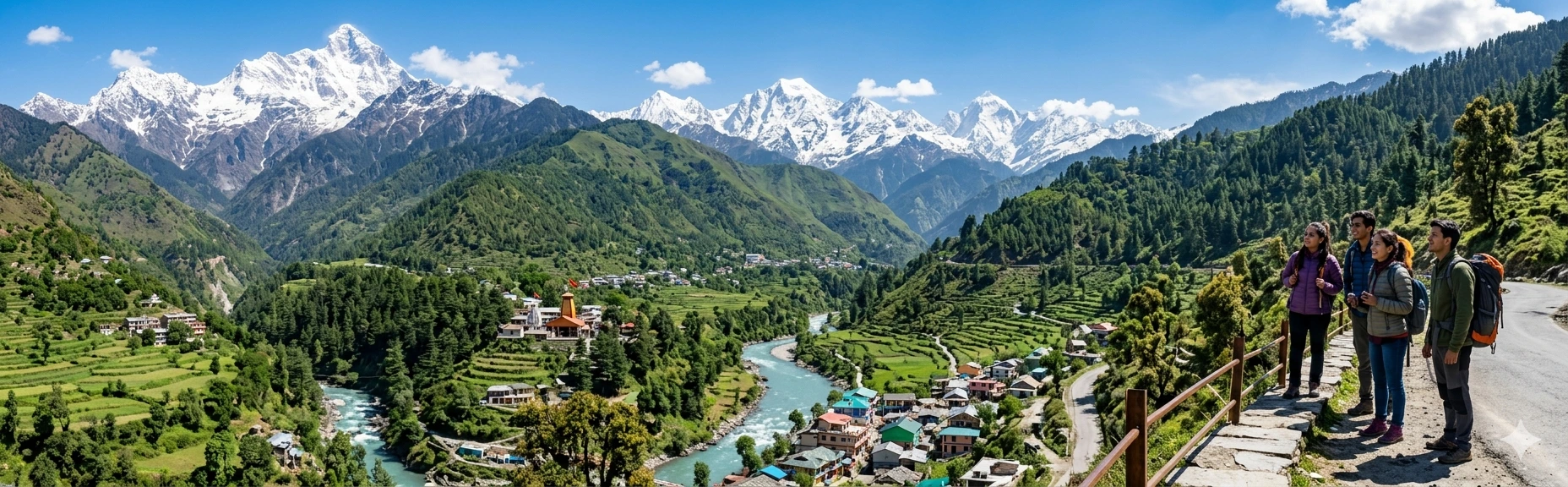
Rishikesh
A genuine entry point for first-timers. Huge international yoga and backpacker community, walkable riverside town, abundant women-only stays, and a culture where solo women travellers are simply unremarkable — which is exactly what you want as a beginner.
Kerala — Munnar, Kochi, Varkala
Munnar's lush tea gardens and misty hills make it a tranquil, low-stress destination. Kochi's old town is compact and easy to navigate alone. Varkala's cliffside beach town has a relaxed, long-stay traveller atmosphere rather than a party-crowd one.
Udaipur
Rajasthan can feel overwhelming for first-timers, but Udaipur is its gentlest city — lakeside, walkable, and well used to independent women travelling through. A good way to experience Rajasthan without diving into its most intense cities first.
Sikkim — Gangtok
Gangtok is known for its cleanliness and safety, with an organised, orderly tourism setup that makes it one of the most relaxed states in India to explore alone. Monasteries, mountain lakes, and a notably calm pace of life.
Pondicherry
A small, French-influenced coastal town with wide, walkable promenades, a strong cafe culture, and a slower rhythm that makes solo exploring genuinely pleasant rather than something to brace for.
What Most Guides Leave Out
Beyond the standard safety checklist, there are realities specific to travelling alone as a woman in India that don't get talked about enough.
The Attention Is Different, Not Just More
It isn't only about volume of attention — it's the type. Persistent staring, unsolicited photo requests, or a stranger sitting unnecessarily close on a train are common enough that most experienced solo female travellers in India develop a quiet, practiced way of shutting it down without escalating — a flat "no," turning away, or simply moving seats.
You Don't Owe Anyone Your Itinerary
You are not required to tell hotel staff, taxi drivers, or strangers that you're travelling alone, where you're staying, or what your plans are for tomorrow. Vague answers ("meeting friends later," "my husband is arriving tonight") are a normal and smart part of solo travel here — not paranoia.
A Fake Ring Genuinely Works
Wearing a simple fake wedding ring can reduce unwanted attention in more conservative areas — a tip many solo women travellers swear by. It's a small, low-effort move that consistently changes how some interactions unfold.
Dressing for the Region, Not for Instagram
Lightweight salwar kameez or kurtas are comfortable, culturally respectful, and help you blend in far better. In beach destinations like Goa, Western clothing is completely fine — the key is reading the region rather than applying one dress code everywhere. At temples and religious sites, always cover shoulders and knees — carry a scarf for this purpose.
The Precautions That Are Actually Worth Your Time
Pick Verified Transport Over Convenience
App-based cabs with driver verification and trip tracking are consistently safer than hailing something on the street, especially after dark. Share your trip status with someone before getting in.
Door Security Is Cheap Insurance
A small portable door stopper alarm — under ₹500 on Amazon India — adds genuine peace of mind in budget guesthouses where lock quality is inconsistent.
Tell Someone, But Not Everyone
Share your live location and daily plan with one or two trusted people back home. You don't need to broadcast it publicly — solo location-sharing on social media in real time is one habit worth dropping for the duration of your trip.
Carry Backup Cash Separately From Your Main Wallet
Splitting cash between your daypack and a hidden pouch means a single theft or pickpocketing incident doesn't end your trip on the spot.
Useful Apps
A few app categories worth having installed: local police SOS apps, community-based buddy apps for female travellers, and neighbourhood safety heat-map tools. Specific options many solo women travellers use include NomadHer for community and trip planning, and bSafe for emergency alert sharing.
What It Actually Costs
India remains genuinely affordable for solo travel — one of the reasons it draws so many independent women travellers in the first place. A realistic daily budget breaks down roughly like this for a comfortable but not extravagant solo trip:
| Expense | Budget (₹/day) | Comfortable (₹/day) |
|---|---|---|
| Stay (hostel dorm vs private room) | 400–700 | 1,500–3,000 |
| Food | 300–500 | 600–1,200 |
| Local transport | 150–300 | 400–800 |
| Activities/Misc | 200–400 | 500–1,000 |
| Total | ₹1,050–1,900 | ₹3,000–6,000 |
Female-only hostel dorms are usually the single biggest lever for keeping costs down without compromising on safety — they tend to cost barely more than mixed dorms while offering a meaningfully better safety profile.