Kashmir — A Destination That Defies Description
There are destinations you visit and destinations that visit you — that lodge themselves so deeply in memory and feeling that they never quite leave. Kashmir is the latter. Called Firdaus bar roo-e-zameen — Paradise on Earth — by the Mughal Emperor Jahangir, Kashmir has inspired poets, emperors, artists, and travellers for centuries with a beauty so extreme it borders on the unreal.
Kashmir, renowned for its breathtaking beauty, is a region located in the northern part of the Indian subcontinent. Often referred to as Paradise on Earth, it is characterized by lush green valleys, crystal clear lakes, and stunning snow-capped mountains. Kashmir's culture is a harmonious blend of Hindu, Buddhist, and Islamic influences reflecting its historical legacy.
Kashmir is not one thing — it is many things simultaneously. It is Srinagar's Dal Lake at dawn, mist rising from the water as a shikara glides silently past floating gardens. It is the alpine meadows of Gulmarg blanketed in winter snow. It is the sacred river valley of Pahalgam where shepherds have grazed their flocks for centuries. It is the golden fields of Sonamarg catching the last light of afternoon. It is the smell of saffron in a Kashmiri kitchen, the sound of a santoor echoing across a mountain valley, the sight of chinar trees turning flame-red in autumn.
In 2026, Kashmir is welcoming tourists with open arms. Tourism here is resilient because local communities and authorities prioritise visitor safety and provide authentic experiences that cannot be found anywhere else. For the traveller willing to look beyond the headlines and see Kashmir as it actually is — a land of extraordinary beauty, ancient culture, and warm, generous people — it remains one of the most rewarding destinations in all of Asia.
Geography & Landscape of Kashmir
Kashmir occupies one of the most spectacular geographical positions on Earth — a vast Himalayan valley system cradled between some of the world's mightiest mountain ranges. The Kashmir Valley itself — the heart of the destination — is an oval-shaped highland basin approximately 135 km long and 32 km wide, sitting at an average elevation of 1,585 metres, surrounded by the Great Himalayas to the east and the Pir Panjal Range to the southwest.
The Kashmir Valley
The Kashmir Valley is one of the most fertile and beautiful mountain valleys in Asia. The Jhelum River — called Vitasta in ancient texts — flows through its heart, giving life to the famous gardens, rice paddies, saffron fields, and apple orchards that make the valley's landscape so distinctive. The valley floor is dotted with lakes, wetlands, and chinar-shaded villages — a rich, layered landscape that has sustained a sophisticated civilisation for thousands of years.
Key Geographical Zones
- Srinagar Basin (1,585m): The central valley floor — home to Dal Lake, Nagin Lake, the Jhelum River, Mughal gardens, and the historic old city of Srinagar. The cultural, commercial, and tourism heart of Kashmir.
- Pir Panjal Range: The southwestern boundary of the Kashmir Valley — a significant mountain wall separating Kashmir from Jammu and the Indian plains. Gulmarg sits on the lower slopes of this range at 2,650m.
- Lidder Valley — Pahalgam (2,130m): A beautiful river valley carved by the Lidder River in southeastern Kashmir, famous for its meadows, glaciers, and as the base for the Amarnath Yatra pilgrimage.
- Sind Valley — Sonamarg (2,740m): The upper valley of the Sind River in northeastern Kashmir, famous for its golden meadows, glaciers, and as the gateway to the Zoji La Pass into Ladakh.
- Gurez Valley (2,400m): A remote, hidden valley near the Line of Control in northern Kashmir — one of the most dramatically beautiful and least-visited valleys in the entire region.
- Lolab Valley: A lush, green valley in northern Kashmir known for apple orchards, dense forests, and extraordinary peace — one of Kashmir's finest offbeat destinations.
Famous Water Bodies
- Dal Lake (1,583m): The iconic 18 sq km lake at the heart of Srinagar — famous for its houseboats, shikara rides, floating gardens, and the floating vegetable market. One of the most iconic images of India.
- Nagin Lake: A quieter, cleaner extension of Dal Lake — called the Jewel in the Ring — surrounded by willow trees and offering a more peaceful houseboat experience.
- Wular Lake: One of Asia's largest freshwater lakes — a vast, wind-swept water body in Bandipora district of enormous ecological importance as a wetland and bird habitat.
- Manasbal Lake: A small, pristine lake north of Srinagar renowned for its extraordinary lotus blooms in summer — one of the most beautiful and least-visited lakes in Kashmir.
- Tarsar & Marsar Lakes: Twin high-altitude glacial lakes in the mountains above Pahalgam — the destination of one of Kashmir's finest multi-day treks.
History of Kashmir — From Ancient Kingdom to Paradise of Emperors
Kashmir's history is as layered and dramatic as its landscape — a story spanning over 5,000 years of civilisation, conquest, spiritual flowering, artistic achievement, and cultural exchange. It is one of the oldest continuously inhabited regions of the Indian subcontinent, with a recorded history beginning in the Vedic period.
Ancient Kashmir — The Land of the Nagas
The earliest reference to Kashmir appears in the Nilmata Purana — a Sanskrit text describing the valley as originally being a vast lake called Satisar, drained by the sage Kashyapa to create habitable land. The name Kashmir is itself derived from Kashyapa-Mira — the sea of Kashyapa. Ancient Kashmir was known as a centre of Sanskrit scholarship, Shaivite philosophy, and Buddhist learning — producing great thinkers including Abhinavagupta, Vasugupta, and the philosopher-queen Lalleshwari (Lal Ded).
The Great Hindu Kingdoms
Kashmir was ruled by a succession of powerful Hindu dynasties from ancient times through the medieval period. The Karkota dynasty (625–855 AD) — under the great king Lalitaditya Muktapida — built a vast empire extending across much of North India and Central Asia, and constructed the magnificent Martand Sun Temple near Anantnag — one of the greatest examples of ancient Indian architecture, now in ruins. The Utpala dynasty and the subsequent Lohara dynasty continued Kashmir's status as a great centre of art, philosophy, and Sanskrit literature.
The Silk Route Connection
Kashmir's geographical position made it a vital node on the ancient Silk Route — the great trade network connecting China, Central Asia, Persia, and India. Caravans carrying silk, spices, precious stones, and horses passed through Kashmir on their way between Yarkand and the Indian plains. This centuries-long history of trade and cultural contact brought Central Asian, Persian, Chinese, and Indian influences to Kashmir — all visible today in its art, architecture, music, cuisine, and cultural traditions.
The Sultanate Period & Arrival of Islam
Islam arrived in Kashmir in the 14th century under Shah Mir — who founded the first Muslim dynasty of Kashmir, the Shah Mir Sultanate, in 1339. The great Sufi saint Mir Syed Ali Hamadani brought Persian cultural influences that profoundly shaped Kashmiri art, architecture, music, and craft traditions. The remarkable Kashmiriyat — the syncretic culture blending Hindu and Islamic traditions — emerged during this period and remains the defining characteristic of Kashmiri identity to this day.
The Mughal Golden Age
Kashmir reached its greatest cultural flowering under the Mughal Emperors who conquered the valley in 1586 under Akbar. The Mughals were captivated by Kashmir's beauty — Emperor Akbar reportedly said that if there is paradise on earth, it is Kashmir. Emperor Jahangir visited Kashmir twelve times and had the valley's beauties meticulously recorded by court artists. He and his successor Shah Jahan created the magnificent Mughal gardens — Shalimar Bagh, Nishat Bagh, and Chashme Shahi — that remain among the finest surviving examples of Mughal landscape architecture in the world.
Modern History
- 1846: Kashmir sold to Maharaja Gulab Singh of Jammu under the Treaty of Amritsar after the First Anglo-Sikh War, creating the princely state of Jammu & Kashmir.
- 1947: At Indian Independence, Maharaja Hari Singh signed the Instrument of Accession, joining Kashmir to India. The first Kashmir War followed, establishing the Line of Control dividing the region between India and Pakistan.
- 2019: The Government of India revoked the special status of Jammu & Kashmir under Article 370 and bifurcated it into two Union Territories — Jammu & Kashmir and Ladakh.
- 2024: The first legislative assembly elections in Jammu and Kashmir since its special status was revoked in 2019 were held in October 2024, with Omar Abdullah taking oath as Chief Minister.
Culture & People of Kashmir
The culture of Kashmir is one of the most distinctive, layered, and beautiful in all of India — a centuries-old synthesis of Hindu, Buddhist, Islamic, Persian, and Central Asian traditions that has produced a unique civilisational identity unlike anything else in the subcontinent. This cultural synthesis has a name — Kashmiriyat — the composite, syncretic spirit of Kashmir that transcends religious divisions and expresses itself through art, music, cuisine, craft, and the quiet, dignified warmth of the Kashmiri people.
Kashmiriyat — The Soul of the Valley
Kashmiriyat is not an abstract concept — it is visible in the everyday life of the valley. It is the Hindu and Muslim craftsmen working side by side in the same workshop, producing the same carpets and Pashmina shawls. It is the Sufi shrines visited equally by Muslims and Hindus. It is the shared festivals, the shared cuisine, the shared language of Kashmiri — a tongue that carries within it echoes of Sanskrit, Persian, and Tibetan. It is the spirit that gave Kashmir the poet-saints Lal Ded (Lalleshwari) and Sheikh Nooruddin Wali (Nund Rishi) — revered equally across religious communities as symbols of spiritual unity.
The Kashmiri People
The Kashmiri people — known as Kashmiris — are renowned for their warmth, generosity, and pride in their extraordinary homeland. Despite centuries of turbulent history, the Kashmiri character has retained a fundamental grace and resilience. Hospitality is deeply ingrained — an unexpected guest is always welcomed, always fed, always made to feel at home. The Kashmiri greeting Khosh Aamded (Welcome) is offered with genuine sincerity.
Language & Literature
The Kashmiri language (also called Koshur) is a Dardic language of the Indo-Aryan family with deep roots in Sanskrit and significant Persian influence. It has produced a rich literary tradition spanning a thousand years — from the ecstatic vakhs (sayings) of Lal Ded in the 14th century to the ghazals, nazms, and folk songs of later centuries. Kashmiri poetry is particularly celebrated for its lyrical beauty and its expressions of mystical love, longing, and the extraordinary landscape of the valley.
Music & Performing Arts
Kashmiri music is unlike anything else in India — a haunting, meditative tradition rooted in both Sufi devotional music and classical Hindu musical forms. The Sufiana Kalam — a form of classical Sufi music performed on the santoor, setar, and wasul — is the high art form of Kashmiri musical culture. The Chakri is a more folk-oriented form of Kashmiri music, typically performed at weddings and celebrations. The Bhand Pather is a centuries-old tradition of satirical folk theatre performed by wandering theatre troupes — one of the most distinctive performing art forms of the subcontinent.
Festivals of Kashmir
- Tulip Festival (March–April, Srinagar): Asia's largest tulip garden — the Indira Gandhi Memorial Tulip Garden — bursts into bloom with over 1.5 million tulips in more than 60 varieties. One of the most spectacular floral events in India, held against the backdrop of the Zabarwan hills and Dal Lake.
- Shikara Festival (Dal Lake, Srinagar): A celebration of Dal Lake's iconic shikara culture — decorated shikara races, folk music performances on the lake, and cultural exhibitions along the waterfront.
- Eid-ul-Fitr & Eid-ul-Adha: The two major Islamic festivals celebrated with great joy across Kashmir — special prayers at Hazratbal Shrine, traditional Kashmiri feasts (wazwan), new clothes, and generous community celebrations.
- Navreh (Kashmiri New Year): The Kashmiri Pandit New Year — celebrated on the first day of the Kashmiri month of Chaitra — with special rituals, prayers, and the preparation of a traditional thaal (plate) containing symbolic items representing prosperity and abundance.
- Baisakhi: The harvest festival celebrated across Kashmir with folk music, traditional dance, and celebrations marking the beginning of the agricultural season.
Best Places to Visit in Kashmir
Kashmir is home to some of the most breathtaking landscapes, ancient heritage sites, and serene natural spaces in all of Asia. Here is a comprehensive guide to the destination's top places.
1. Srinagar — The Heart of Kashmir
Altitude: 1,585m | Famous for: Dal Lake, Houseboats, Mughal Gardens, Old City
Srinagar is the heart of Kashmir tourism, famous for houseboats, shikara rides, and Mughal gardens. The Mughal emperors developed the famous gardens of Srinagar, making it a cultural and historical centre of Kashmir. The Dal Lake houseboat experience — waking up on a floating wooden home to the sound of a shikara's oar in still water — is one of the most unique accommodation experiences in the world. The Mughal gardens of Shalimar Bagh and Nishat Bagh, the ancient Jama Masjid, the sacred Hazratbal Shrine, and the bustling lanes of the old city with their woodcarvers, coppersmith shops, and spice merchants are all essential Srinagar experiences.
2. Gulmarg — The Meadow of Flowers
Altitude: 2,650m | Famous for: Gondola, Skiing, Alpine Meadows, Golf
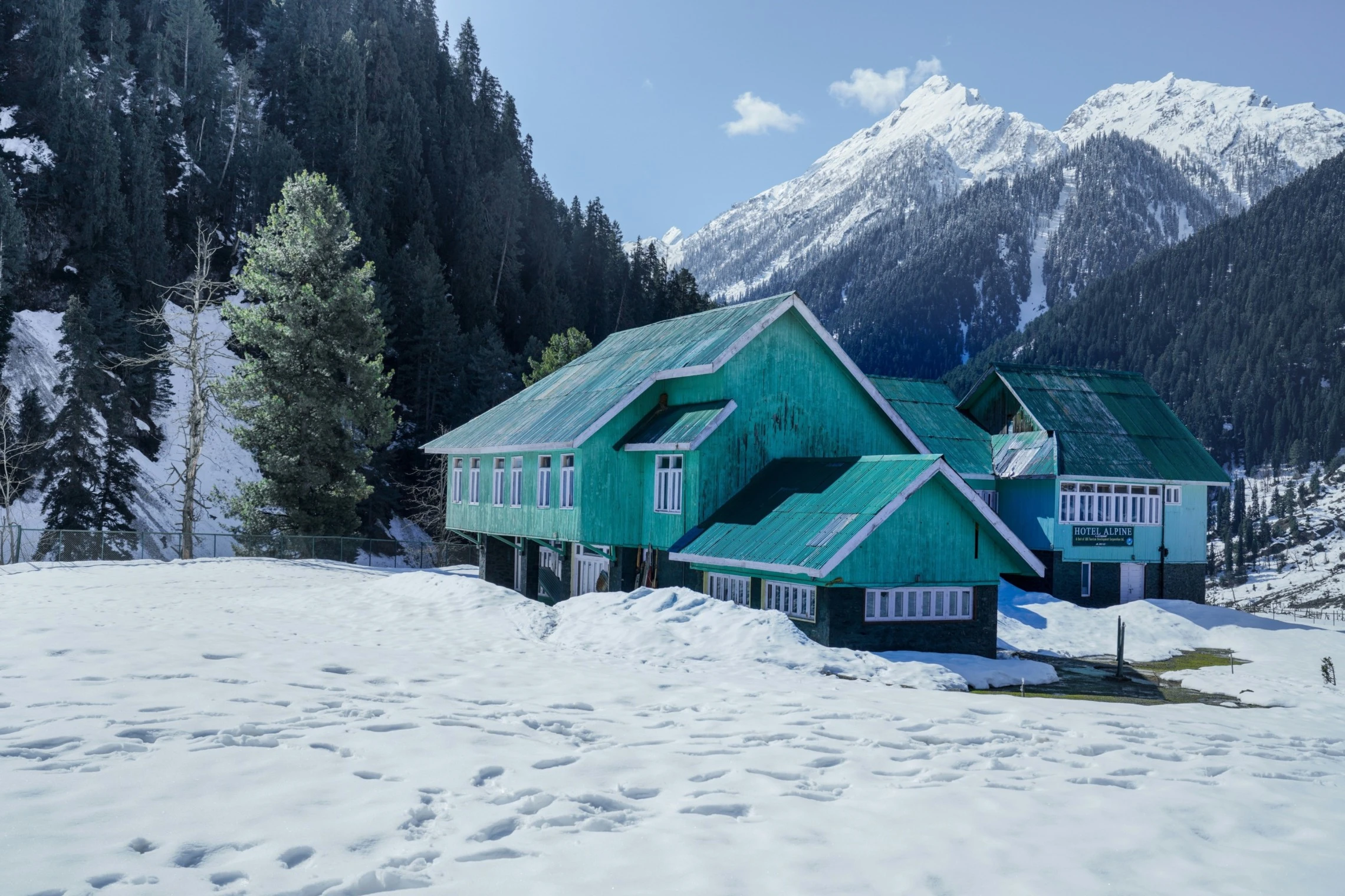
At 2,650 metres, Gulmarg transforms Kashmir tourism from serene to spectacular. The Gulmarg Gondola offers breathtaking Himalayan views. Originally called Gaurimarg, Gulmarg was renamed by Sultan Yusuf Shah Chak for its carpet of wildflowers in summer. In winter it becomes one of Asia's finest ski destinations. In summer, the sweeping alpine meadows, the world's highest golf course at 2,650m, and the stunning gondola ride to Apharwat Peak (3,980m) make it equally magical. The views of Nanga Parbat (8,126m) from Gulmarg are extraordinary.
3. Pahalgam — Valley of Shepherds
Altitude: 2,130m | Famous for: Lidder River, Betaab Valley, Aru Valley, Amarnath Yatra Base
If Srinagar is the culture and Gulmarg the thrill, Pahalgam is the tranquil soul of Kashmir tourism. The Lidder River's melody sets the pace here. Iconic sights include Betaab Valley's lush meadows and Aru Valley, the starting point for treks like Tarsar Marsar. Pahalgam is also the traditional base camp for the Amarnath Yatra — one of Hinduism's most sacred pilgrimages — held every July–August. The town sits at the confluence of the Lidder and Sheshnag rivers surrounded by pine forests and snow-capped peaks.
4. Sonamarg — Meadow of Gold
Altitude: 2,740m | Famous for: Thajiwas Glacier, Alpine Meadows, Gateway to Ladakh
Sonamarg, meaning Meadow of Gold, is known for glaciers and high mountain passes. The golden meadows that give Sonamarg its name are most dramatic in autumn when the chinar trees turn flame-gold and the surrounding peaks are dusted with early snow. The Thajiwas Glacier — reachable by pony or a short trek — is one of the most accessible glaciers in India. Sonamarg is also the last significant stop in Kashmir on the Srinagar-Leh Highway before Zoji La Pass into Ladakh.
5. Gurez Valley — Kashmir's Hidden Gem
Altitude: 2,400m | Famous for: Dawar Village, Kishanganga River, Offbeat Beauty
Gurez Valley is one of the most spectacular and least-visited valleys in all of Kashmir — a remote, breathtaking landscape near the Line of Control in northern Kashmir. The valley is home to the Dard-Shin people — an ancient community with a unique language and culture distinct from mainstream Kashmiri culture. The Kishanganga River flows through the valley past wooden villages, terraced fields, and forests of silver birch and pine against a backdrop of dramatic snow-capped peaks. An Inner Line Permit is required to visit Gurez — adding to its special, protected character.
6. Doodhpathri — Valley of Milk
Altitude: 2,730m | Famous for: Alpine Meadows, Milk-White Streams, Solitude
Doodhpathri — meaning Valley of Milk — is a stunning high-altitude meadow destination in Budgam district, just 42 km from Srinagar. The name comes from the milk-white glacial streams that flow through its emerald meadows. Far less visited than Gulmarg or Pahalgam, Doodhpathri offers extraordinary natural beauty in near-complete peace — one of the finest offbeat destinations in Kashmir for those seeking solitude and unspoiled alpine landscapes.
7. Lolab Valley
Altitude: ~1,500m | Famous for: Apple Orchards, Dense Forests, Rural Beauty
The Lolab Valley in northern Kashmir is a lush, green paradise of apple orchards, walnut groves, dense forests of deodar and pine, and traditional Kashmiri villages — largely unknown to mainstream tourism. The valley is one of the most beautiful rural landscapes in all of Kashmir and offers an authentic glimpse of traditional Kashmiri village life far from the tourist trail of Srinagar and Pahalgam.
8. Yusmarg — Meadow of Jesus
Altitude: 2,400m | Famous for: Flower Meadows, Pony Rides, Pine Forests
Yusmarg is a quiet, beautiful meadow destination in Budgam district — far less developed and visited than its famous neighbours. Surrounded by dense pine forests and offering views of the Pir Panjal range, Yusmarg is at its most beautiful in spring and early summer when its meadows are carpeted with wildflowers. Local legend holds that Jesus Christ visited this meadow during his travels — giving the place its evocative name.
Wildlife & Nature of Kashmir
Kashmir is home to some of India's most important and biodiverse wildlife habitats — protected within national parks and sanctuaries that shelter rare Himalayan species.
Dachigam National Park
Located just 22 km from Srinagar, Dachigam National Park is one of the most important wildlife sanctuaries in India — home to the critically endangered Hangul (Kashmir Stag), India's only surviving subspecies of the European Red Deer. The park also shelters Himalayan Black Bear, Leopard, Musk Deer, and a rich variety of Himalayan birds. The Dagwan River flows through the park — one of the most beautiful forested river valleys in Kashmir.
Hemis National Park (Ladakh)
While technically in Ladakh, the Hemis National Park is often combined with a Kashmir itinerary — it is India's largest national park and one of the world's finest destinations for Snow Leopard spotting.
Key Bird Species
- Kingfisher: Common along the streams and waterways of the Kashmir Valley — a vivid flash of electric blue over clear mountain water.
- Himalayan Griffon Vulture: Commonly seen soaring on thermals above the valley and mountain slopes.
- Black-necked Crane: A rare and sacred bird occasionally spotted in the wetlands of Hokersar near Srinagar.
- Hokersar Wetland Birds: The Hokersar wetland near Srinagar is a Ramsar-listed site hosting hundreds of thousands of migratory birds in winter including Greylag Geese, Common Teal, and Northern Pintail.
Kashmir Handicrafts — The World's Finest
Kashmir's handicraft tradition is one of the most extraordinary in the world — centuries-old craft forms of global renown, produced by artisans who have inherited their skills through generations of family tradition. The region's handicrafts, such as Pashmina shawls, intricately handwoven carpets, and papier-mâché items, are highly prized globally.
Pashmina — The Fibre of Kings
Kashmir Pashmina is arguably the world's finest textile — ultra-soft, extraordinarily warm, and feather-light wool derived from the Changthangi goat of the high Ladakhi plateau. A single pure Pashmina shawl can take a master craftsman 3 to 6 months to weave by hand. The famous Kani shawl — woven with a special type of bamboo needle — is the pinnacle of Pashmiri weaving art and a recognised Geographical Indication product. Always buy Pashmina from certified shops — beware of synthetic imitations sold at tourist prices.
Kashmiri Carpet Weaving
Hand-knotted Kashmiri carpets are among the most prized in the world — comparable in quality and value to Persian and Turkish carpets. Made of pure wool, silk, or wool-silk blend on a cotton warp, a fine Kashmiri carpet can contain 900 knots per square inch and take a team of weavers over a year to complete. The traditional motifs — chinar leaf, paisley, garden scenes, and geometric patterns — are instantly recognisable and deeply embedded in Kashmiri artistic identity.
Papier-Mâché (Paper Machie)
One of Kashmir's most distinctive craft forms — intricate decorative objects including boxes, bowls, vases, lamps, and frames made from compressed paper pulp and hand-painted with extraordinarily detailed floral, geometric, and figurative designs. The finest papier-mâché work is produced by master artists in Srinagar's old city who have inherited the craft from Persian craftsmen who came to Kashmir with the Sufi saint Mir Syed Ali Hamadani in the 14th century.
Walnut Wood Carving
Kashmir's craftsmen produce extraordinary furniture, decorative panels, screens, and objects carved from the dense, fine-grained local walnut wood. Intricate floral and vine patterns are carved in deep relief — a tradition that has furnished the finest homes and palaces of the subcontinent for centuries. Walnut wood carving workshops in Srinagar's old city are fascinating to visit.
Where to Shop in Kashmir
- Lal Chowk, Srinagar: The downtown area of Srinagar hosts the well-known shopping destination Lal Chowk — a bustling market providing authentic Kashmiri products including Pashmina shawls, handcrafted carpets, and traditional handicrafts.
- Polo View Market, Srinagar: A curated market near the Polo Ground with carefully selected high-quality Kashmiri products — better quality control than the bazaars.
- Floating Market, Dal Lake: The famous floating vegetable and flower market on Dal Lake — vendors in shikaras selling fresh produce at dawn — also a platform for local craft sellers.
- Government Emporiums: The J&K Government Handicraft Emporiums offer certified, authentic Kashmiri products at fixed prices — the safest option for buying genuine Pashmina and carpets.
Local Food & Kashmiri Cuisine
Kashmiri cuisine is one of the great culinary traditions of the Indian subcontinent — rich, aromatic, deeply flavoured, and unlike anything else in India. It draws on Persian, Central Asian, and indigenous Kashmiri traditions to produce a cuisine of extraordinary complexity and beauty centred around the grand feast tradition of Wazwan.
Wazwan — The Royal Feast
Wazwan is the supreme expression of Kashmiri culinary culture — a multi-course ceremonial feast traditionally prepared by a master chef called a Waza for weddings and special occasions. A full Wazwan can have 36 courses, almost entirely of meat — lamb, chicken, and game — prepared using techniques and spice combinations developed over centuries. The most iconic dishes of the Wazwan include Rogan Josh, Gushtaba, Yakhni, and Tabak Maaz — each a masterpiece of slow cooking, aromatic spicing, and culinary technique.
Must-Try Kashmiri Dishes
- Rogan Josh: The most famous Kashmiri dish internationally — slow-cooked lamb in a fragrant sauce of Kashmiri red chilli, fennel, ginger, and aromatic spices. The dish gets its brilliant red colour not from heat but from the mild Kashmiri chilli and ratanjot (alkanet root). Rich, deeply aromatic, and unforgettably delicious.
- Gushtaba: Minced lamb meatballs cooked in a rich, creamy yoghurt-based gravy flavoured with cardamom and saffron. Considered the king of the Wazwan — traditionally served as the final course to signal the end of the feast.
- Yakhni: Tender lamb pieces cooked in a delicate, aromatic yoghurt-based broth with whole spices — subtle, sophisticated, and deeply comforting.
- Dum Aloo (Kashmiri Style): Small whole potatoes deep-fried and cooked in an intensely flavoured sauce of Kashmiri chilli, fennel, ginger, and asafoetida — one of Kashmir's greatest vegetarian dishes and very different from the North Indian version.
- Haak: The everyday soul food of Kashmir — collard greens (haak saag) cooked simply with water, oil, and a few whole spices. Eaten with steamed rice, it is the most fundamental and beloved everyday dish of the valley.
- Noon Chai (Pink Tea): Kashmir's iconic pink salted tea — brewed from special gunpowder green tea leaves with salt, baking soda, and milk, then vigorously stirred to create its famous pink colour and creamy froth. Warming, comforting, and uniquely Kashmiri.
- Kahwa: A delicate Kashmiri green tea brewed with saffron, cardamom, cinnamon, and almonds — the quintessential Kashmiri hospitality drink, served in a samovar and poured into small cups called khos.
- Sheer Chai: A creamy, mildly sweet milk tea — lighter than Noon Chai, typically served at breakfast with Kashmiri bread (kulcha or girda) and local honey.
How to Reach Kashmir
By Air — Fastest Route
Fly into Sheikh ul-Alam International Airport (SXR) in Srinagar — the main airport of Kashmir. Direct flights operate from Delhi, Mumbai, Bangalore, Hyderabad, Jammu, and Leh on IndiGo, Air India, SpiceJet, and GoAir. Flight time from Delhi is approximately 1.5 hours. Book well in advance for peak season (April–June and September–October) as seats fill up fast.
By Road — Jammu to Srinagar (NH-44)
Distance: ~270 km | Duration: 7–9 Hours
The Jammu-Srinagar National Highway passes through the Jawahar Tunnel (2,194m) — the gateway between Jammu and the Kashmir Valley. The highway is one of India's most scenic but also most challenging — prone to landslides and weather closures, especially in winter. The newly constructed Banihal-Qazigund Road Tunnel has significantly reduced travel time on this route.
By Road — Srinagar to Leh (NH-1)
Distance: ~422 km | Duration: 2 Days | Open: May–October
One of the world's great road journeys — from Srinagar through Sonamarg, over Zoji La Pass, through Kargil, and into Leh. Many travellers combine a Kashmir and Ladakh trip using this route.
By Train
The Udhampur-Srinagar-Baramulla Rail Link (USBRL) — India's most ambitious railway project — is progressively becoming operational. The Katra-Banihal section includes the world's highest railway bridge over the Chenab River. Check the latest operational status of this route for 2026 before planning rail travel to Kashmir.
Important Travel Note
Carry a government-issued photo ID at all times in Kashmir — required at hotel check-ins, military checkpoints, and certain sightseeing areas. Postpaid SIM cards (Jio, Airtel, or BSNL) work best — prepaid SIMs from outside J&K may not function. Dress modestly especially at religious sites.
Best Time to Visit Kashmir
| Season | Months | Temperature (Srinagar) | Highlights |
|---|---|---|---|
| Spring | March – May | 8°C–22°C Day | Tulip Festival, cherry blossoms, mustard fields, pleasant weather |
| Summer | June – August | 18°C–30°C Day | Peak season, all destinations open, Amarnath Yatra, lush valleys |
| Autumn | September – November | 8°C–22°C Day | Chinar foliage, golden landscapes, best photography, fewer crowds |
| Winter | December – February | -5°C–8°C Day | Gulmarg skiing, snowfall in Srinagar, Dal Lake freezing, Chillai Kalan |
Best Overall Time: April to June for the Tulip Festival, full bloom, and pleasant weather. September to October for the spectacular chinar autumn foliage — arguably Kashmir's most beautiful season and the best for photography.