Spiti Valley — Where the Mountains Touch the Sky
Spiti Valley is one of the most remote, raw, and breathtaking destinations in all of Asia. Located in the Lahaul and Spiti district of Himachal Pradesh, it sits at an average altitude of 3,800 metres above sea level, surrounded by the Himalayas on all sides. The valley is bordered by Ladakh to the north, Tibet to the east, Kinnaur to the southeast, and the Kullu Valley to the west.
Often called Little Tibet or the Cold Desert of the Himalayas, Spiti shares the dramatic landscapes, ancient Buddhist monasteries, and Tibetan cultural heritage of its more famous neighbour — but without the crowds. With its stark, moon-like landscapes, ancient Buddhist monasteries perched on cliffs, and crystal-clear high-altitude lakes, Spiti offers an unforgettable escape for adventure seekers, spiritual travellers, and photographers alike.
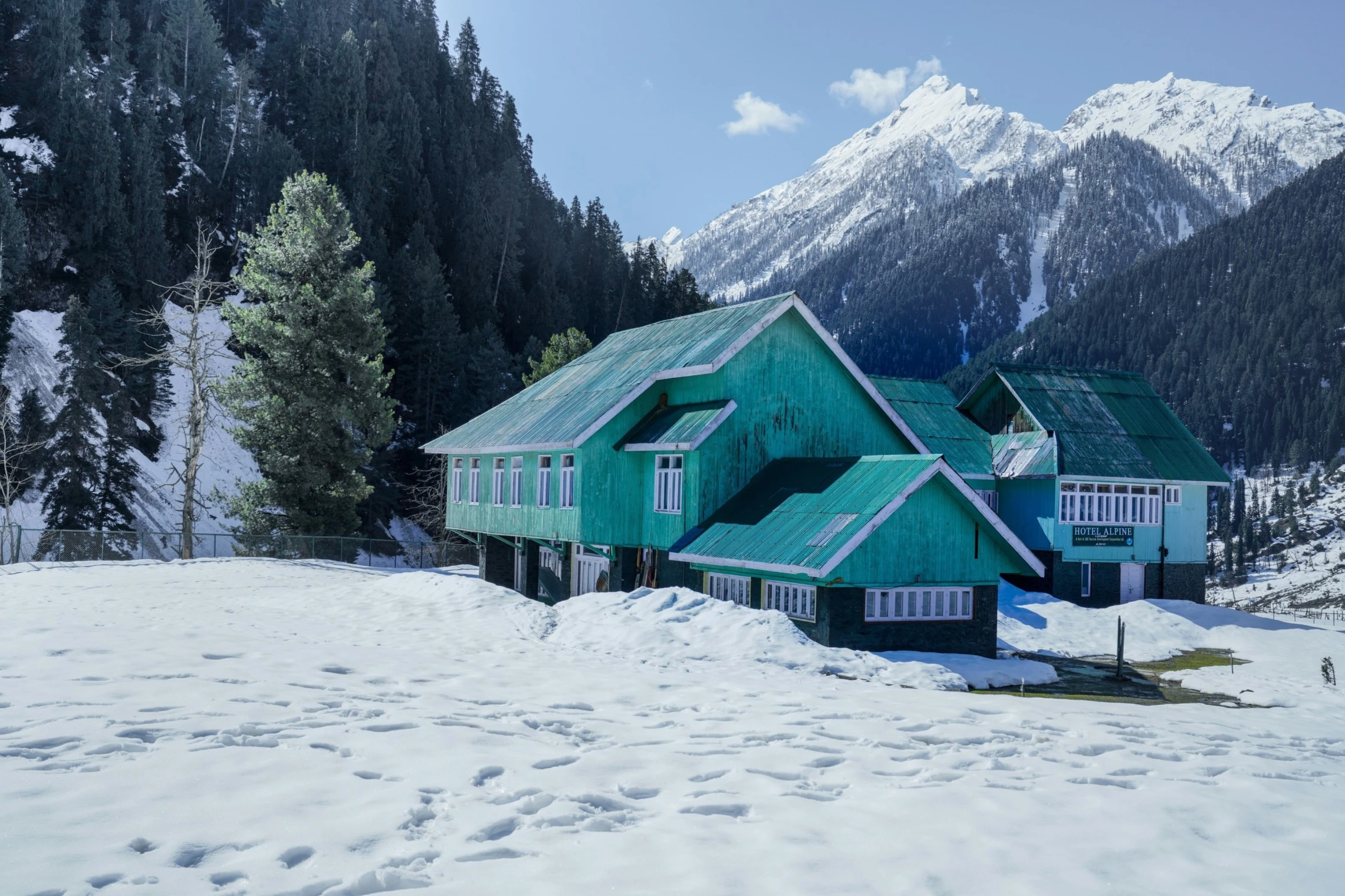
What makes Spiti truly extraordinary is its untouched, timeless quality. The valley has barely changed over centuries. Villages like Langza, Kibber, Komic, and Hikkim sit at altitudes above 4,000 metres, their stone houses unchanged for generations, their residents living in harmony with one of the harshest environments on Earth. Snow-capped peaks, deep gorges, and turquoise rivers create some of the most dramatic views in the Himalayas.
In 2026, Spiti Valley remains one of India's most pristine destinations — far less crowded than Ladakh, yet equally spectacular. The ideal window to explore Spiti is mid-June to mid-October, when both major access routes are open.
Geography & Landscape of Spiti Valley
Spiti Valley is carved by the Spiti River — a cold, turquoise tributary of the Sutlej — which flows through a dramatic gorge flanked by towering barren mountains. The valley stretches approximately 12,500 square kilometres and sits at altitudes ranging from 3,500m at Sumdo (the entry point from Kinnaur) to over 6,000m at the surrounding peaks.
Key Geographical Features
- Spiti River: The lifeline of the valley, flowing from the Kunzum Range westward into the Sutlej. The river valley widens at Kaza — the district headquarters and main hub of Spiti.
- Kunzum Pass (4,590m): The high mountain pass connecting Lahaul Valley and Spiti Valley via the Manali route. Open from June to October.
- Pin Valley: A side valley branching off from Spiti near Attargo, home to Pin Valley National Park — a cold desert wildlife sanctuary known for Snow Leopards and Ibex.
- Chandratal Lake (4,300m): A stunning crescent-shaped glacial lake near the Kunzum Pass, one of the most photographed spots in the Himalayas.
- Dhankar Lake: A small high-altitude lake above Dhankar village, reachable via a 1.5 km trek — offering stunning views of the confluence of the Spiti and Pin rivers far below.
- Losar Village: The first village in Spiti when entering from the Manali side, sitting at the base of the Kunzum Pass at 4,079m.
Climate & Terrain
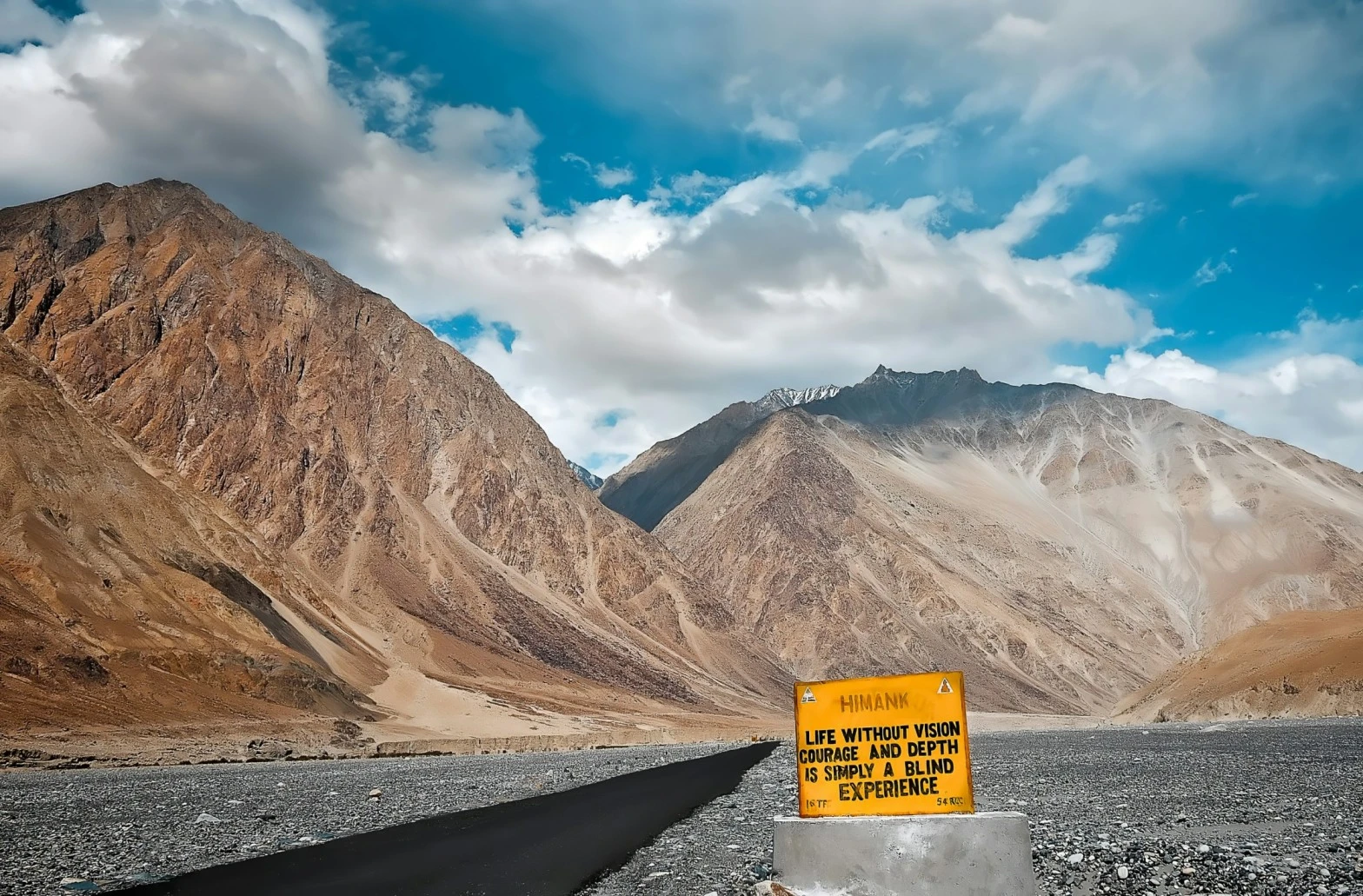
Spiti is a high-altitude cold desert — it lies in the rain shadow of the Himalayas, which means it receives very little rainfall even during the Indian monsoon. Annual precipitation is less than 170mm. The result is a barren, dramatic landscape of brown and ochre mountains, deep blue skies, and intensely clear air — a visual world completely unlike the green hills of other Himalayan destinations.
History & Culture of Spiti Valley
Spiti has a history stretching back over 1,000 years, shaped by its unique position as a crossroads between the Indian subcontinent and the Tibetan plateau. Spiti Valley is the middle land between India and Tibet, with mixed culture and traditions of both nations. It is a research centre for Buddhism due to its innumerable monasteries and temples.
Buddhist Heritage
Buddhism arrived in Spiti around the 10th century AD, brought by the great Tibetan translator and scholar Rinchen Zangpo — known as the Great Translator — who established numerous temples and monasteries across the western Himalayas. His most significant work in Spiti was the founding of Tabo Monastery in 996 AD — one of the oldest continuously functioning Buddhist monasteries in the world, still active after over a thousand years.
The valley's monasteries — Tabo, Key, Dhankar, Kungri, and Lhalung — are not merely historical monuments. They are living centres of prayer, monastic education, and Buddhist scholarship, housing ancient thangka paintings, illuminated manuscripts, and mud sculptures of extraordinary artistic and spiritual value.
The Spitian People
The people of Spiti are known as Spitians — Tibetan-speaking Buddhists of Central Asian descent who have adapted remarkably to one of the harshest environments on Earth. Their traditional culture is deeply rooted in Tibetan Buddhism, expressed through prayer flags, mani walls, chortens (stupas), and the monastic calendar of festivals that shapes daily life.
Spitian villages practice a unique form of communal farming adapted to the short growing season — crops like barley, peas, and potatoes are grown during the brief summer months between June and September. Traditional dress includes heavy woollen robes and distinctive pointed hats unique to the Spiti region.
Fossils of Spiti — A Geological Wonder
Spiti Valley sits on what was once the floor of the ancient Tethys Sea — the prehistoric ocean that existed before the Indian subcontinent collided with Asia to form the Himalayas. As a result, the rocks of Spiti are embedded with marine fossils millions of years old — ammonites, corals, and sea shells found at altitudes above 4,000 metres. The village of Langza is the most famous fossil-hunting site, and many locals sell fossils found on surrounding hillsides.
Best Places to Visit in Spiti Valley
Spiti Valley is compact but extraordinarily rich. Every village, monastery, and valley is worth exploring. Here are the must-visit destinations.
1. Key Monastery (Ki Gompa)
Altitude: 4,166m | Distance: 12 km from Kaza
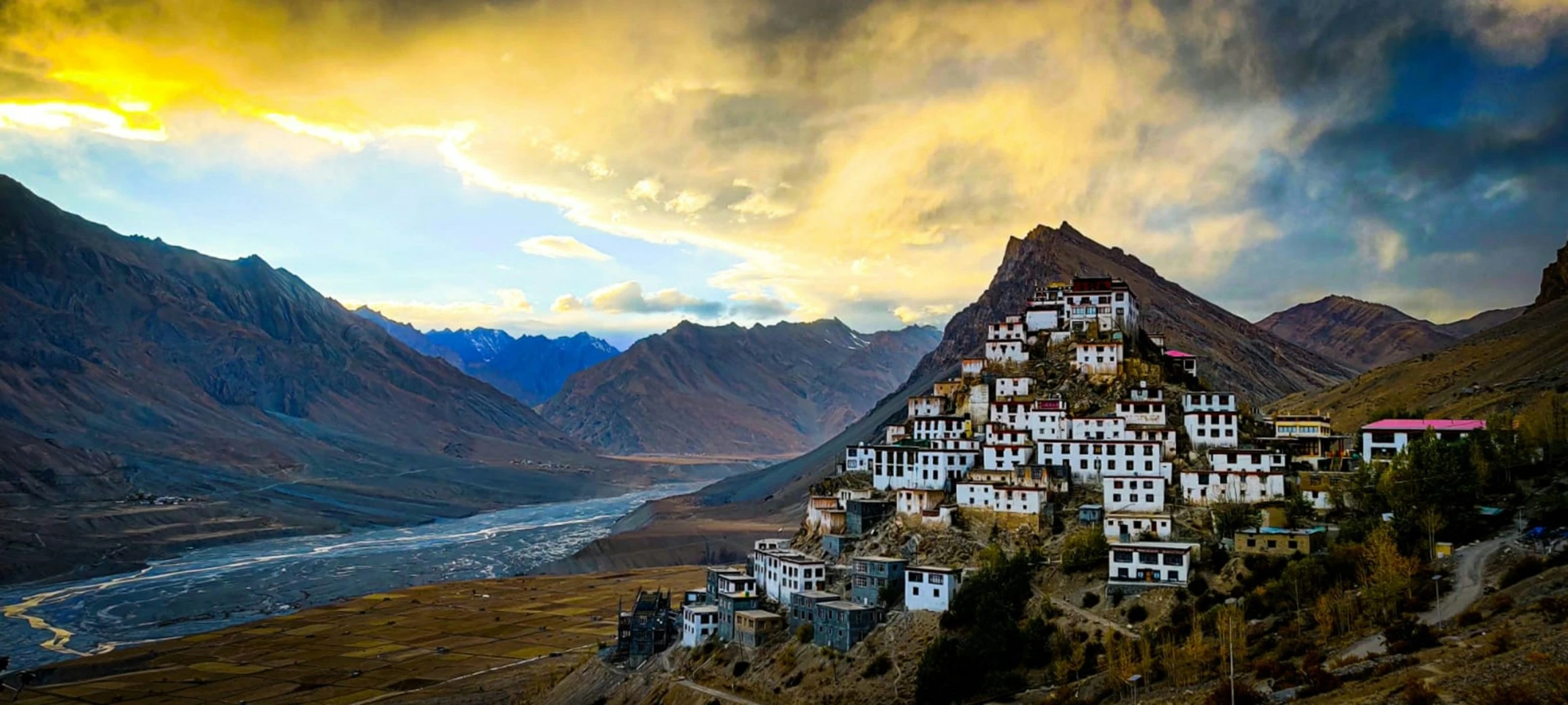
Key Monastery is the largest and most famous monastery in Spiti Valley, located on a hilltop overlooking the Spiti River. Founded in the 11th century, it is home to over 300 monks and houses ancient thangkas, manuscripts, and prayer halls. It is renowned as one of the world's oldest monasteries and a personal favourite of the Dalai Lama. The tiered white structure rising dramatically from a rocky hill is one of the most photographed sights in the Himalayas. Attend early morning prayers for an unforgettable spiritual experience.
2. Tabo Monastery
Altitude: 3,050m | Distance: 47 km from Kaza
Founded in 996 AD by Rinchen Zangpo, Tabo is one of the oldest continuously operating Buddhist monasteries in the world — over 1,000 years old. Known as the "Ajanta of the Himalayas," it houses extraordinary mud sculptures, ancient frescoes, and thangka paintings of immense historical significance. The Dalai Lama has expressed a wish to retire here. A UNESCO World Heritage Site candidate.
3. Chandratal Lake
Altitude: 4,300m | Distance: 76 km from Kaza
Chandratal — meaning Moon Lake — is a breathtaking crescent-shaped glacial lake surrounded by snow-capped peaks near the Kunzum Pass. The water keeps changing from reddish to orange to blue to emerald green as the day ends. Overnight camping at Chandratal under a sky full of stars is one of the most magical experiences in the entire Himalayas. The 1 km walk from the parking area to the lake is easy and accessible for most visitors.
4. Dhankar Monastery & Lake
Altitude: 3,894m | Distance: 33 km from Kaza
Perched dramatically on a cliff above the confluence of the Spiti and Pin rivers, Dhankar was the ancient capital of Spiti Valley. The monastery clings to the cliff edge — a breathtaking sight that looks almost impossible. An easy 1.5 km trek along the Spiti River from Dhankar Monastery to Dhankar Lake promises gorgeous views of the villages below. The turquoise lake itself is a serene reward at the end of the short hike.
5. Langza Village & Buddha Statue
Altitude: 4,400m | Distance: 16 km from Kaza
One of the most iconic images of Spiti — a giant ancient Buddha statue standing against a backdrop of snow-capped peaks in the remote village of Langza. The village is also famous for its marine fossils, found embedded in the surrounding hillsides. Fossils from millions of years ago are still embedded in the rocks of Langza, making it a popular destination for geology enthusiasts and curious travellers. The village has just a handful of families offering authentic homestays.
6. Kibber Village
Altitude: 4,270m | Distance: 19 km from Kaza
Kibber Village is one of the highest permanently inhabited settlements in the world and provides a candid insight into life at significantly high altitudes. Situated above Kaza, this village is known for its stone-lined houses, narrow streets, and breathtaking views of snow-capped mountains. It is also the base for treks to Parang La and Kanamo Peak. Kibber is also a prime location for spotting Snow Leopards in winter.
7. Hikkim Village — World's Highest Post Office
Altitude: 4,400m | Distance: 17 km from Kaza
Hikkim is home to the world's highest post office — a tiny government post office at 4,400 metres that sends actual letters and postcards from this remote Himalayan village. Sending a postcard from Hikkim to friends and family has become a beloved travel ritual for visitors to Spiti. The village also offers stunning panoramic views of the Spiti Valley and surrounding peaks.
8. Komic Village
Altitude: 4,587m | Distance: 23 km from Kaza
Komic is one of the highest motorable villages in the world, sitting at 4,587 metres above sea level. Home to the ancient Tangud Monastery, the village offers extraordinary views of the Spiti Valley from its high vantage point. The road to Komic is itself a spectacular drive through switchbacks above the valley floor.
9. Pin Valley National Park
Altitude: 3,500–6,632m | Distance: 25 km from Kaza
Pin Valley is a cold desert wildlife sanctuary and national park — the only place in India where the habitats of the Snow Leopard and Siberian Ibex overlap. The park is also home to Himalayan wolves, red foxes, and a remarkable variety of high-altitude birds. The Pin River, a turquoise tributary of the Spiti, flows through the centre of the valley. The remote Mud Village at the head of the valley is the base for the legendary Pin Parvati Pass Trek.
10. Kunzum Pass
Altitude: 4,590m | Distance: 76 km from Kaza
Kunzum Pass connects the Kullu Valley and Lahaul Valley with the Spiti Valley. The pass is renowned for its breathtaking views of the surrounding snow-capped peaks, pristine glaciers, and rugged terrain. Kunzum Pass holds great cultural significance as it is a gateway to the remote and mystical Spiti Valley, known for its ancient monasteries and unique Tibetan culture. A small Kunzum Devi temple at the pass is visited by all travellers entering Spiti from the Manali side.
11. Kaza — The Heart of Spiti
Altitude: 3,800m | District Headquarters of Spiti
Kaza is the largest town and administrative capital of Spiti Valley — the main hub for accommodation, banking, food, fuel, and permits. It has grown significantly as a tourist base in recent years, with cafes, guesthouses, and a lively traveller community. The Kaza Market is a great place to buy local handicrafts, Spitian woolens, and dried fruits. Kaza is the natural base for day trips to Kibber, Langza, Hikkim, Komic, and Key Monastery.
Adventure Activities in Spiti Valley
Spiti Valley is a world-class adventure destination. The combination of extreme altitude, ancient trails, remote landscapes, and pristine wilderness creates extraordinary opportunities for outdoor adventure.
1. Trekking
Spiti offers some of India's most challenging and rewarding treks. The Pin Parvati Pass Trek (6–9 days, 5,319m) connects Pin Valley in Spiti to Parvati Valley in Kullu — one of the most technically demanding and scenically spectacular treks in the Himalayas. The Parang La Trek (7–9 days) connects Spiti to Ladakh across a high-altitude plateau. The Kanamo Peak (6,250m) near Kibber is a popular high-altitude summit for fit trekkers. Easier walks include the Dhankar Lake trail and the Chandratal circuit.
2. Motorcycle Road Trip
The Spiti Valley road trip is one of the most iconic motorcycle journeys in India. The Manali-Kaza route crosses the Rohtang Pass and Kunzum Pass, while the Shimla-Kaza route via the Hindustan-Tibet Highway follows the Sutlej and Spiti rivers through dramatic gorges. Completing the full Spiti circuit — entering via one route and exiting via the other — is a bucket-list achievement for Indian bikers.
3. Stargazing & Astrophotography
Spiti Valley has virtually zero light pollution and sits at high altitude with exceptionally dry, clear air. The result is some of the finest stargazing in Asia. The Milky Way is visible with the naked eye on clear nights. With minimal light pollution, Spiti Valley offers some of the clearest night skies. Lose yourself in the Milky Way and constellations as you've never seen them before. Chandratal campsite and Langza village are the best stargazing locations.
4. Mountain Biking
The high-altitude roads and trails of Spiti are increasingly popular among mountain bikers. Cycling from Kaza to Kibber, Langza, and Komic — climbing through switchbacks at 4,000m+ — is an extraordinary physical challenge rewarded with breathtaking views at every turn.
5. Snow Leopard Safari
Kibber village and Pin Valley National Park are two of the best places in India to spot the Snow Leopard in the wild. The best season for Snow Leopard sightings is January to March when the leopards descend to lower altitudes. Local guides from Kibber offer multi-day snow leopard tracking expeditions — an extraordinary wildlife experience.
6. Camping
Camping in Spiti — especially at Chandratal Lake, along the Spiti River near Kaza, and in the remote Pin Valley — is an unforgettable experience. Sleeping under a sky full of stars at 4,000m+ altitude, waking to frost-covered tents and mountains glowing in the first light, is the kind of memory that stays with you for a lifetime.
7. Fossil Hunting
The hills around Langza village are an extraordinary open-air geology museum. Marine fossils — ammonites, belemnites, and sea shells — are embedded in rocks at over 4,000 metres altitude, remnants of the ancient Tethys Sea. Local children act as guides, pointing out the best fossil sites on the surrounding hillsides.
Local Food & Cuisine of Spiti Valley
Spitian cuisine is simple, hearty, and deeply influenced by Tibetan food traditions. The short growing season and high altitude shape a diet of warming, energy-dense foods perfectly suited to the cold desert environment.
Must-Try Spitian Dishes
- Thukpa: A thick noodle soup with vegetables or meat — the everyday comfort food of Spiti, served piping hot and deeply warming at high altitude.
- Momos: Steamed or fried dumplings with vegetable or meat fillings — available at most dhabas and cafes in Kaza and larger villages.
- Butter Tea (Gur Gur Chai): The iconic Tibetan salted tea churned with yak butter — an essential part of Spitian hospitality. Warming, caloric, and deeply cultural.
- Tsampa: Roasted barley flour mixed with butter tea or water — the traditional staple food of Spitian families for centuries.
- Chhang: A mildly fermented barley beer brewed in local homes — traditionally offered to guests and consumed during festivals.
- Rajma Chawal: The beloved Himachal staple of red kidney beans and rice, cooked simply and served across guesthouses and dhabas throughout Spiti.
- Skyu: A traditional stew of root vegetables and thick hand-rolled pasta pieces — slow-cooked and deeply nourishing after a long day of trekking or driving.
Where to Eat in Kaza
- Sol Café: The most popular café in Kaza — excellent coffee, homemade bread, and a warm traveller-friendly atmosphere.
- Sakya Abode Restaurant: Best for authentic Tibetan and Spitian food — thukpa, momos, and butter tea in a cosy setting.
- Deyzor Restaurant: Good mix of Indian, Tibetan, and Continental dishes — popular with long-stay travellers in Kaza.
How to Reach Spiti Valley
Spiti Valley has two main road access routes — both scenic and adventurous. There is no railway or air connection to Spiti itself.
Route 1 — Manali to Kaza via Kunzum Pass (NH-505)
Distance: ~200 km | Duration: 8–10 Hours | Open: Mid-June to October
The shorter but more dramatic route, crossing the Rohtang Pass (3,978m) and Kunzum Pass (4,590m). The road passes through Gramphu, Chhatru, and Batal before entering Spiti at Losar. This route is spectacular but rough — especially the stretch between Batal and Losar. Only accessible after BRO clears the snow in mid-June.
Route 2 — Shimla to Kaza via Hindustan-Tibet Highway (NH-5)
Distance: ~412 km | Duration: 2–3 Days | Open: Almost year-round (except severe winter)
The longer but more accessible route, following the Sutlej River gorge through Rampur, Rekong Peo (Kinnaur), Nako, Sumdo, and into Spiti. This is the recommended route for first-time visitors — the altitude gain is gradual, road conditions are generally better, and you pass through the beautiful Kinnaur Valley en route. Minimum 3 days recommended to drive this route comfortably.
Nearest Airport & Railway Station
- Nearest Airport: Bhuntar Airport (Kullu) — 245 km from Kaza. Fly to Bhuntar from Delhi, then drive or take a bus via Manali to Spiti.
- Nearest Railway Station: Shimla — 412 km from Kaza. Take a train to Shimla and then drive via the Hindustan-Tibet Highway.
By Bus
HRTC (Himachal Road Transport Corporation) operates buses from Shimla to Kaza (daily, ~14 hours) and Manali to Kaza (summer only, ~8 hours). The Shimla-Kaza bus is the most reliable public transport option for budget travellers.
Best Time to Visit Spiti Valley
Spiti Valley has a short accessible season due to its extreme altitude and heavy winter snowfall. Choose your season based on your interests and travel style.
| Season | Months | Temperature (Kaza) | Highlights | Route Status |
|---|---|---|---|---|
| Early Summer | Mid-June – July | 10°C – 20°C Day | 0–5°C Night | Roads open, snow on peaks, wildflowers, festivals | Both routes open (Manali route opens mid-June) |
| Peak Summer | August – September | 12°C – 22°C Day | 2–8°C Night | Best weather, all roads open, trekking season peak | Both routes fully open |
| Autumn | October | 5°C – 15°C Day | -5–0°C Night | Golden landscapes, clear skies, fewer tourists | Manali route closing soon, Shimla route open |
| Winter | November – March | -10°C – 0°C Day | -20°C Night | Snow leopard safari, isolated wilderness, Losar Festival | Only Shimla route (partial), Manali route closed |
Best Overall Time: July to September for perfect weather, all roads open, full trekking access, and the best village and monastery experiences. June is excellent for those wanting snow on the passes and a less crowded experience.
Permits & Regulations for Spiti Valley
Indian Nationals
Most of Spiti Valley is open to Indian nationals without any special permit. However, certain areas near the Indo-Tibet border — particularly Nako, Tabo, and the upper Kinnaur-Spiti corridor — require an Inner Line Permit (ILP). The ILP can be obtained from the DC Office in Rekong Peo (Kinnaur) or Kaza, or online through the Himachal Pradesh government portal.
Cost: Nominal (₹50–200) | Documents: Aadhaar Card / Voter ID, passport-size photo, travel details
Foreign Nationals
Foreign nationals require a Protected Area Permit (PAP) or Restricted Area Permit (RAP) to travel in Spiti Valley, as it is located near the international border. The permit must be arranged through a registered travel agent in Shimla, Manali, or Kaza. Foreign nationals are required to travel in groups of minimum 2 persons with a registered tour operator.
Where to Stay in Spiti Valley
Accommodation in Spiti is simple, warm, and authentic. Spiti offers mostly basic but warm homestays and guesthouses (₹800–₹2,500 per night). Popular options are in Kaza, Kibber, Dhankar, and Langza. In peak season, book ahead or arrive early. Camping is available near Chandratal at designated sites.
Types of Accommodation
- Homestays: The most authentic and recommended way to experience Spiti. Stay with local Spitian families in their traditional stone houses in villages like Langza, Kibber, Komic, and Hikkim. Includes home-cooked meals. Cost: ₹600–1,500 per person per night including dinner and breakfast.
- Guesthouses (Kaza): Basic but clean guesthouses in Kaza offer private rooms with shared or attached bathrooms. Cost: ₹800–2,500 per room per night. Most have hot water available in a bucket (geyser-heated).
- Camping (Chandratal): Designated campsites near Chandratal Lake offer tent accommodation with basic facilities. Sleeping under the stars at 4,300m next to the Moon Lake is an experience unlike any other.
- Eco Camps: Several eco-conscious camps have opened along the Spiti River and near Kaza offering comfortable tent stays with local food and guided nature walks.
Shopping in Spiti Valley
Spiti is not a shopping destination in the conventional sense — but it offers a handful of deeply meaningful and authentic local products that make excellent souvenirs.
- Fossils: Marine fossils from Langza's ancient seabed — ammonites and belemnites embedded in rock. Buy directly from local children or village shops. Carry only what is legally permitted.
- Woollen Products: Hand-knitted woollen socks, caps, gloves, and shawls made by local women using traditional patterns. Available in Kaza's small market and at homestays.
- Thangka Paintings: Small hand-painted Buddhist scroll paintings produced by monks at Key and Tabo monasteries. Simple but authentic.
- Dried Apricots & Walnuts: Local dried fruits from the Kinnaur-Spiti border region — particularly sweet and fresh in the post-harvest season.
- Buddhist Prayer Items: Prayer flags, incense, prayer wheels, and small bronze deity figurines available at monastery shops in Key and Tabo.
- Spiti Honey: Wild mountain honey produced by local beekeepers in the lower Spiti Valley — rich, dark, and intensely flavoured.