Leh Ladakh — Where the Mountains Meet the Sky
Leh Ladakh is India's northernmost and most extraordinary destination. Sitting at an average altitude of 3,500 metres above sea level, it is a vast cold desert framed by two of the world's mightiest mountain ranges — the Himalayas to the south and the Karakoram Range to the north. The mighty Indus River, one of Asia's great rivers, flows silently through its heart.
What makes Ladakh truly unique is its stunning contradiction — a landscape that is simultaneously barren and breathtaking, isolated yet deeply inhabited, ancient yet evolving. Here you will find turquoise lakes that change colour through the day, monasteries perched on clifftops that have stood for a thousand years, sand dunes sitting beside glacial rivers, and nomadic tribes living much as their ancestors did centuries ago.
Declared a Union Territory of India in 2019, Ladakh today is one of the country's fastest-growing tourism destinations. Yet despite increasing visitor numbers, it retains a wild, untamed character that sets it apart from every other destination in Asia. Whether you come seeking adventure, spirituality, photography, culture, or simply silence — Ladakh delivers it all, in abundance.
Why Leh Ladakh is a Once-in-a-Lifetime Destination
Millions of people travel the world in search of places that feel genuinely different. Leh Ladakh is one of those rare destinations that defies comparison. Here is what makes it truly special:
Landscapes Found Nowhere Else
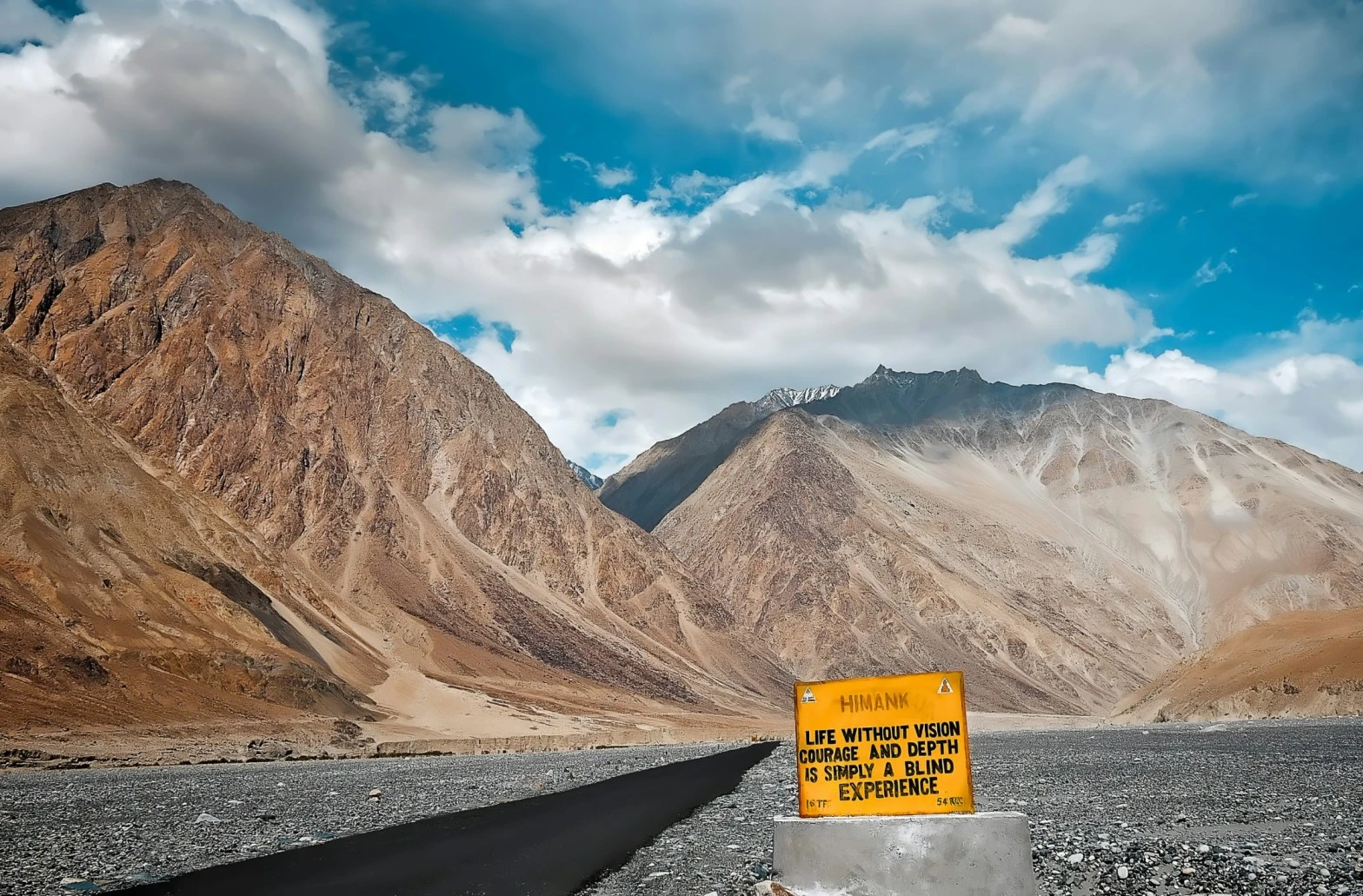
Ladakh's terrain is unlike anything in India or the broader subcontinent. The moonlike valleys of Lamayuru, the electric blue waters of Pangong Tso, the surreal sand dunes of Nubra Valley sitting beside glacial streams, the dramatic gorges of Zanskar — every turn in Ladakh reveals a landscape that looks more like a science fiction film set than a real place on Earth.
One of Asia's Great Road Trips
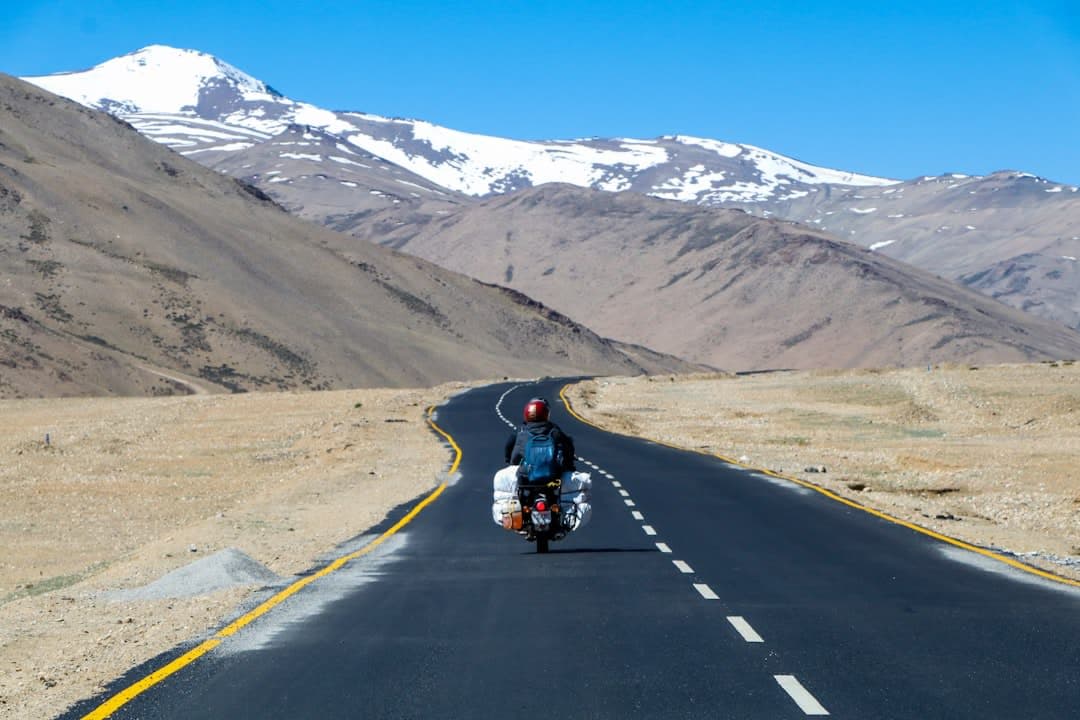
The Manali-Leh Highway and Srinagar-Leh Highway are among the most iconic road journeys in the world. Crossing multiple passes above 5,000 metres, passing through remote villages, ancient trading posts, and jaw-dropping river valleys — driving to Ladakh is as memorable as the destination itself.
A Living Buddhist Civilisation
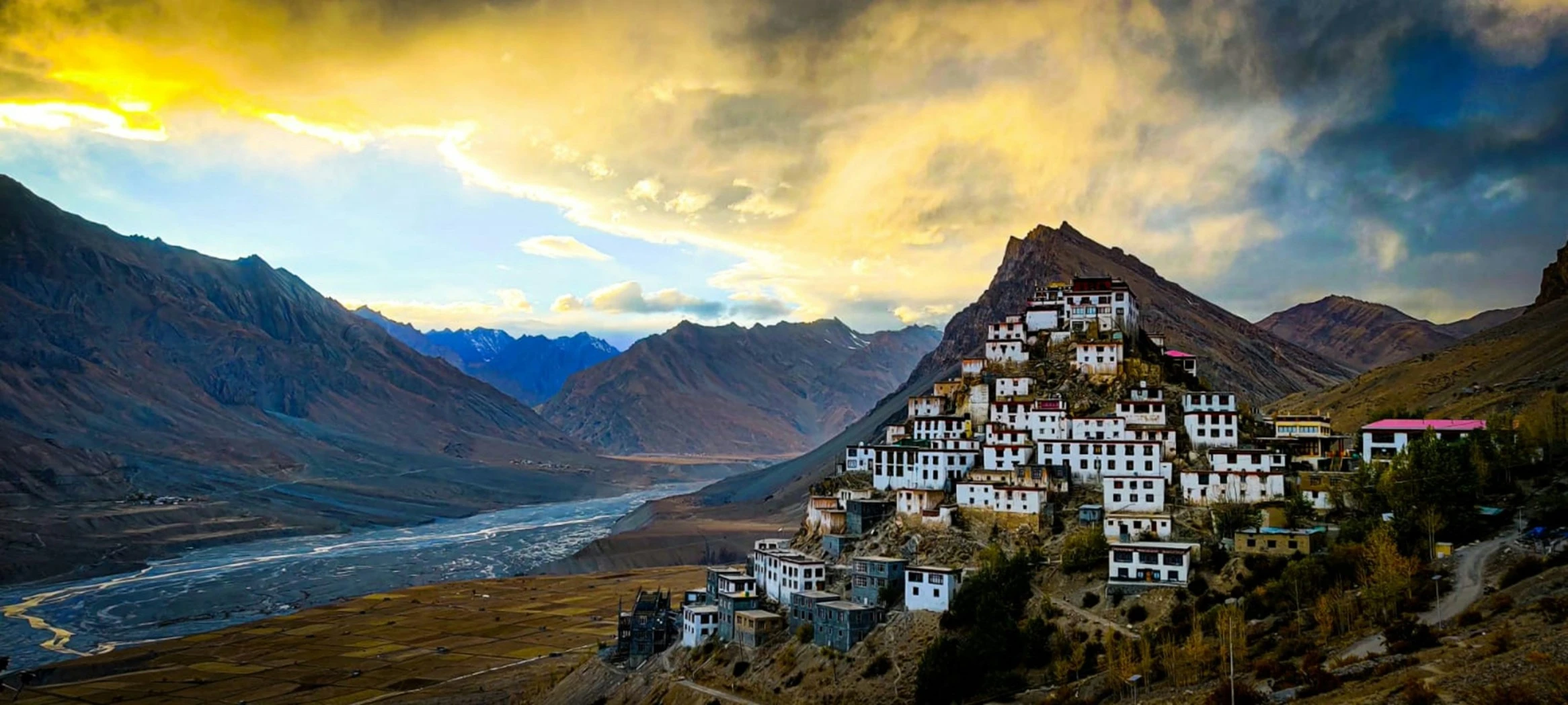
Ladakh is home to over 200 Buddhist monasteries — some dating back to the 10th century. These are not museum pieces. They are living, breathing centres of prayer, meditation, education, and community life. Attending early morning prayers at Thiksey or watching the masked Cham dances at Hemis is an experience that stays with you forever.
Adventure at Every Turn
From trekking above 6,000 metres to white water rafting on the Zanskar River, from motorcycle rides over the world's highest motorable roads to camel safaris on cold desert dunes — Ladakh offers a range and intensity of adventure that few destinations in the world can match.
Skies Unlike Anywhere Else
At high altitude with zero light pollution, Ladakh's night skies are phenomenal. The Hanle Dark Sky Reserve — India's first — offers some of the clearest views of the Milky Way, planets, and deep-sky objects anywhere on Earth. Astrotourism is one of the fastest-growing reasons travellers come to Ladakh in 2026.
Geography of Leh Ladakh
Ladakh covers approximately 59,146 square kilometres — making it the largest Union Territory of India by area. It is divided into two districts: Leh in the east and Kargil in the west. The region shares international borders with Pakistan to the west and China (Tibet) to the east.
Major Geographical Zones
- Indus Valley: The fertile central corridor of Ladakh running east to west, home to Leh town, most monasteries, and the majority of the population. Altitude: 3,000–3,600m.
- Nubra Valley: Located north of Leh beyond Khardung La, this cold desert valley sits between the Karakoram and Ladakh ranges. Famous for sand dunes and Bactrian camels. Altitude: 3,048m.
- Changthang Plateau: A vast high-altitude plateau in eastern Ladakh stretching into Tibet. Home to Tso Moriri, Tso Kar, and the nomadic Changpa tribes. Altitude: 4,000–5,000m.
- Zanskar Valley: A remote sub-district of Kargil, carved by the Zanskar River. Known for the legendary Chadar Trek. Now far more accessible in 2026. Altitude: 3,500–4,400m.
- Sham Valley: The gentle lower Indus Valley west of Leh, ideal for easy trekking and village walks. Often called the Baby Trek region. Altitude: 3,000–3,500m.
Major Rivers
- Indus River: The lifeline of Ladakh, flowing from Tibet through Leh and into Pakistan. Used for white water rafting between Phey and Nimmu.
- Zanskar River: A major tributary of the Indus, famous for Grade III–IV rapids and the Chadar frozen river trek in winter.
- Shyok River: Flows through Nubra Valley, connecting Nubra to the Pangong region via the scenic Shyok road.
History of Leh Ladakh
Ladakh's history is as layered and dramatic as its landscape. The region has been a crossroads of civilisations, religions, and empires for over two millennia.
Ancient Origins
The earliest evidence of human settlement in Ladakh dates back to Neolithic times, with petroglyphs found across the region depicting animals, hunting scenes, and early Buddhist symbols. Ladakh's position on the Silk Route — the ancient trade network connecting China, Central Asia, Persia, and India — brought it in contact with diverse cultures and religions from an early age.
Rise of Buddhism
Buddhism reached Ladakh around the 2nd century AD and gradually became the dominant religion of the region. The great Indian Buddhist masters Padmasambhava and Naropa both had significant connections to Ladakh. By the 10th century, Ladakh had emerged as an important centre of Tibetan Buddhism, with monasteries being established across the Indus Valley.
The Namgyal Kingdom
The most powerful dynasty in Ladakhi history was the Namgyal Kingdom, founded in the 15th century. Under King Sengge Namgyal in the 17th century, Ladakh reached its greatest extent and cultural peak. He built the iconic Leh Palace and Shey Palace, patronised the arts, and made Leh a great centre of Buddhist learning and trade.
Modern History
- 1834: Ladakh conquered by Dogra general Zorawar Singh and absorbed into the Sikh Empire under Maharaja Ranjit Singh.
- 1846: After the First Anglo-Sikh War, Ladakh came under the rule of the Dogra Maharaja of Jammu & Kashmir under British suzerainty.
- 1947: At Indian Independence, Ladakh acceded to India as part of Jammu & Kashmir. The 1947 war with Pakistan resulted in the Line of Control that divides the region to this day.
- 1962: The Sino-Indian War led to China occupying the Aksai Chin plateau in eastern Ladakh — a territorial dispute that remains unresolved.
- 2019: The Indian government bifurcated Jammu & Kashmir, creating Ladakh as a separate Union Territory without a legislature.
Culture & People of Ladakh
The culture of Ladakh is one of its greatest treasures — a rich, living tapestry of Tibetan Buddhist traditions, Central Asian influences, and indigenous Ladakhi customs that have survived centuries of geographical isolation.
The Ladakhi People
The Ladakhis are known worldwide for their extraordinary warmth, contentment, and community spirit. Traditionally a semi-nomadic, agropastoral people, most Ladakhis today combine farming, herding, and tourism-based livelihoods. The community is predominantly Tibetan Buddhist in the Leh district and Muslim in the Kargil district, yet the two communities have coexisted peacefully for centuries.
Traditional Dress
- Goncha: A heavy woollen robe worn by both men and women, tied at the waist with a colourful sash called a Skerag. Ideal for the cold climate.
- Perak: The iconic turquoise-studded headdress worn by Ladakhi women on ceremonial occasions — one of the most distinctive traditional accessories in India.
- Tibi: A traditional silk hat worn by men during festivals and formal occasions.
Language
Ladakhi (a dialect of Tibetan) is the primary language, spoken alongside Balti, Purgi, Hindi, and Urdu. English is widely spoken in Leh town and tourist areas. The Ladakhi script is derived from the Tibetan script and is used in religious texts and monastery inscriptions.
Religion in Daily Life
Buddhism in Ladakh is not merely a religion — it is a complete way of life. Prayer wheels spin on every street corner. Mani walls (stone walls inscribed with Buddhist mantras) line ancient roads. Colourful prayer flags flutter from rooftops, mountain passes, and monastery walls, carrying prayers to the heavens on the wind. The rhythm of monastic life — prayer, study, festival, and meditation — shapes the entire cultural calendar of the region.
Festivals & Events in Leh Ladakh
Ladakhi festivals are among the most visually spectacular cultural celebrations in Asia — a vibrant blend of masked dances, traditional music, monastic rituals, and community celebration.
Hemis Festival
When: Late June or Early July | Where: Hemis Monastery, 45 km from Leh
The most famous festival of Ladakh, held annually at Hemis Monastery to celebrate the birth anniversary of Guru Padmasambhava — the founder of Tantric Buddhism. The two-day celebration features elaborate Cham masked dances performed by monks in ornate costumes and demon masks, traditional music, and thousands of pilgrims in ceremonial dress. The Hemis Festival is one of the most photographed cultural events in India.
Losar Festival
When: December–January | Where: Across Ladakh
Ladakhi New Year — celebrated with prayers, archery competitions, traditional Ladakhi food, and family gatherings. The festival marks the beginning of the Ladakhi lunar calendar and is one of the most joyful and community-oriented festivals of the year.
Ladakh Festival
When: September | Where: Leh Town
An annual government-organised cultural showcase bringing together communities from across Nubra, Zanskar, Changthang, and the Indus Valley. Features traditional polo matches, archery competitions, cultural parades in traditional dress, and folk performances. A great way to experience the diversity of Ladakhi culture in one place.
Dosmoche Festival
When: February | Where: Leh and Likir Monastery
A two-day winter festival marking the end of the agricultural cycle and the beginning of spring preparations. Features prayer ceremonies, masked dances, and the erection of a ceremonial pole hung with offerings.
Thiksey Gustor
When: October–November | Where: Thiksey Monastery
A two-day festival at Thiksey Monastery featuring Cham dances and religious ceremonies, culminating in the burning of an effigy symbolising the defeat of evil forces — a powerful and dramatic conclusion to the festival season.
Local Food & Cuisine of Ladakh
Ladakhi cuisine is simple, deeply warming, and shaped entirely by the high-altitude cold desert environment. The food culture draws heavily from Tibetan and Central Asian traditions, using locally grown barley, vegetables, yak products, and wild herbs.
Signature Ladakhi Dishes
- Thukpa: A hearty noodle soup cooked with vegetables, meat, or eggs in a spiced broth. The most popular everyday dish of Ladakh — perfect after a long day on the mountain roads.
- Skyu: A traditional rustic stew of root vegetables and thick hand-rolled pasta pieces, slow-cooked to a warming, deeply satisfying consistency. The soul food of Ladakh.
- Momos: Steamed or fried dumplings filled with vegetables, cheese, or minced meat. Served with a spicy chutney — the most beloved street food across all of Ladakh and Tibet.
- Tsampa: Roasted barley flour — the staple food of Tibetan and Ladakhi communities for centuries. Mixed with butter tea or water and eaten as a paste or baked into simple flatbreads.
- Butter Tea (Po Cha): Traditional Ladakhi salted tea churned with yak butter. An acquired taste for most visitors but essential to the culture — refusing a cup of butter tea in a Ladakhi home is considered impolite.
- Chhang: A mildly fermented barley beer brewed in Ladakhi homes, traditionally served during festivals and as a warm welcome to guests. Light, slightly sour, and uniquely Ladakhi.
- Apricot Products: Ladakh produces exceptional sun-dried apricots, apricot jam, and apricot kernel oil. The apricot orchards of Nubra Valley and the Indus Valley are a beautiful sight in spring and a delicious discovery throughout the year.
Adventure Activities in Leh Ladakh
For adventure lovers, Ladakh is not just a destination — it is a playground at the top of the world. The combination of extreme altitude, powerful rivers, dramatic passes, and remote wilderness creates an unmatched adventure environment.
Trekking
Ladakh offers some of the finest trekking experiences in Asia. The Markha Valley Trek (5–7 days) crosses two high passes and passes through remote villages rarely seen by outsiders. The Stok Kangri Summit (6,153m) is one of the most accessible high-altitude peaks in India. The Chadar Trek on the frozen Zanskar River (January–February) is one of the most unique trekking experiences in the world. The easy Sham Valley Trek is perfect for beginners.
White Water Rafting
The Indus and Zanskar rivers provide excellent rafting from Grade II to Grade IV depending on the section. The Phey–Nimmu stretch on the Indus is ideal for beginners, while the Zanskar confluence near Nimmu offers serious rapids for experienced rafters. Best season: July to September when water levels are highest.
Motorcycle Road Trip
The Leh Ladakh bike trip is a right of passage for Indian bikers. The routes across Khardung La (5,359m), Baralacha La (4,890m), Tanglang La (5,328m), and the world's highest motorable road Umling La (5,798m) are the highlights. Royal Enfield Himalayan and KTM Adventure 390 are the most popular choices.
Wildlife Safari — Snow Leopard
Hemis National Park is the largest national park in India and one of the best places in the world to spot the Snow Leopard. Guided snow leopard safaris operate from January to March when the leopards descend to lower altitudes following their prey. A bucket-list wildlife experience for nature lovers.
Mountain Biking
The high-altitude roads and trails of Ladakh are increasingly popular among mountain bikers. Guided cycling expeditions covering the Manali-Leh Highway and local trails around Leh are available for all levels of fitness and experience.
Stargazing & Astrotourism
At Hanle Dark Sky Reserve (4,500m), the combination of high altitude, zero light pollution, and dry air creates perfect stargazing conditions. The Indian Astronomical Observatory at Hanle is one of the highest observatories in the world. Astro-stay camps with telescopes and expert-led sessions are available for visitors.
Shopping in Leh Ladakh
Leh's Main Bazaar, Tibetan Market, and craft emporiums are filled with authentic handmade products that reflect the unique culture and craftsmanship of the region. Here is what to look for.
- Pashmina Shawls & Stoles: Genuine hand-woven Pashmina from Ladakhi Changpa goats is among the finest natural fibres in the world. Always buy from government-certified shops or directly from weavers to avoid synthetic imitations sold at tourist prices.
- Thangka Paintings: Intricate Buddhist scroll paintings on cotton or silk canvas. Handcrafted by local artisans trained in the traditional Tibetan school of painting. Prices range from ₹500 for small pieces to ₹50,000+ for large, detailed works.
- Turquoise & Silver Jewellery: Traditional Ladakhi jewellery set with turquoise, coral, and hammered silver, inspired by the famous Perak headdress. Necklaces, earrings, rings, and bracelets are all available in Leh's craft markets.
- Dried Apricots & Apricot Oil: Ladakh's sweet sun-dried apricots are a regional speciality unlike anything sold elsewhere. Apricot kernel oil is used both in cooking and as a natural skincare product — an excellent and practical souvenir.
- Woollen Products: Hand-woven woollen socks, caps, gloves, scarves, and prayer shawls produced by local weavers. Practical, beautiful, and deeply Ladakhi.
- Buddhist Artefacts: Prayer wheels, singing bowls, incense sticks, prayer flags, wooden masks, and hand-painted mandalas are available throughout Leh Market and at monastery shops.
How to Reach Leh Ladakh
By Air — Fastest Route
Fly into Kushok Bakula Rimpochee Airport (IXL) in Leh — India's highest commercial airport at 3,256m. Direct flights operate from Delhi, Mumbai, Chandigarh, Srinagar, and Jammu on IndiGo, Air India, and SpiceJet. Flight time from Delhi is approximately 1 hour. Book well in advance for June travel as seats sell out fast.
By Road — Manali to Leh (NH-3)
Distance: ~490 km | Duration: 2–3 days with halts at Jispa or Sarchu. One of the world's greatest road journeys — crossing Rohtang Pass, Baralacha La, and Tanglang La. Open mid-May to late October. Ideal for bikers and road trip enthusiasts.
By Road — Srinagar to Leh (NH-1)
Distance: ~422 km | Duration: 2 days with overnight halt at Kargil. Opens earlier than the Manali route (late May). Passes through Sonamarg, Zoji La Pass, and Lamayuru. Recommended for first-timers due to gradual altitude gain.
By Road — Manali to Leh via Zanskar (New 2026 Route)
The newly completed Nimmu-Padam-Darcha road and Shinku La tunnel now make it possible to drive from Manali through Zanskar Valley directly to Leh — opening a spectacular new adventure route through one of India's most remote landscapes.
Best Time to Visit Leh Ladakh
Ladakh is a year-round destination — but each season offers a completely different experience. Choose your season based on what you want to see and do.
| Season | Months | Temperature (Leh) | Highlights |
|---|---|---|---|
| Summer Peak | June – August | 15°C – 25°C Day | All roads open, sightseeing, trekking, biking, Hemis Festival |
| Early Season | May | 10°C – 20°C Day | Less crowds, snow on passes, early blooms |
| Autumn | September – October | 5°C – 18°C Day | Golden landscapes, fewer tourists, crystal clear skies |
| Winter | November – February | -20°C – 5°C Day | Chadar Trek, snow leopard safari, Losar Festival, frozen lakes |
| Spring | March – April | 0°C – 12°C Day | Apricot blossoms in Nubra, quiet roads, monastery visits |